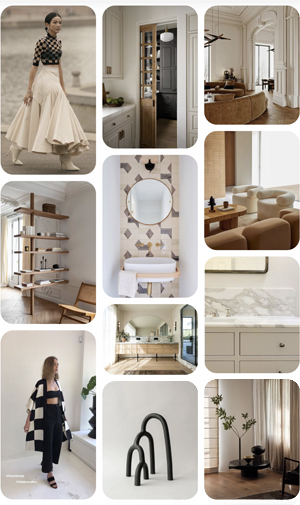






Follow Me on Pinterest

Lets Make Things Clear: Leopard Prints vs. Cheetah Prints

This is kind of random, but I never thought the day would come that I would actually voluntarily buy something with a leopard print on it. I’ve always found it to be super tacky. But these days I’m totally loving it! Especially when its printed on calf hair. Very chic! Here are a few great products that have been majorly tempting me lately.

1. Coat by Emerson Fry
2. Jcrew clutch
3. Madewell Ballet Flats
4. Alexander Wang Marion Bag

One thing that’s been driving me crazy as I’ve been shopping around – designers never seem to know the difference between a leopard and cheetah. They almost always use these names interchangeably when naming their prints! As a print designer AND as an animal lover, this drives me absolutely nuts! Let’s clear things up a bit, shall we? The following photos and descriptions will hopefully give you a better idea of which is which (along with a couple other wild cats that I’ve seen in prints, but are never acknowledged!)

First, the cheetah. I’m definitely a cat lady, and cheetahs happen to be my favorite big cat. Their spots are solid black dots, evenly spaced. The Emerson Fry coat pictured above is a great example of a cheetah print! Although, I do think they took some liberties and made the ground color more white.

Leopards, on the other hand, have more complex spots. They tend to look like a black doughnut, horseshoe, or ring of dots. There is usually a brown spot in the center of the black ring. This pattern is probably the most common type of spotted cat used in prints for clothing and accessories. The Madewell shoes in the photo above are a great example of leopard!

I don’t think I’ve even seen a designer name their print after the jaguar, but I have definitely seen this animal used on prints before. Jaguar spots are very similar to leopard spots, but they tend to have a larger, more open ring of black spots. The brown spot in the middle is much larger than that of a leopard and contains a few smaller black spots in the middle.  Its sort of like a more complex leopard spot. Above, the Alexander Wang bag just might be a jaguar print!

And finally, another neglected spotted cat is the ocelot. I’m sure designers shy away from using this name since it is much less well known to the general public. Ocelots also have spots that are similar to leopards and jaguars, but theirs are much more elongated. They almost look like they are stretched out, or warped. Like conjoined leopard spots, or some sort of spot/stripe hybrid. Anyway, These are beautiful cats and I’m pretty sure that the Jcrew bag above features an ocelot print.

Well, hopefully this was educational. I recently named one of my prints at work, “jaguar.” Hopefully it makes it into stores with that name intact!


Alexis’s First Birthday

You may remember my post about Judy’s baby shower last year.  Well, she and I teamed up again for her baby daughter’s first birthday!!

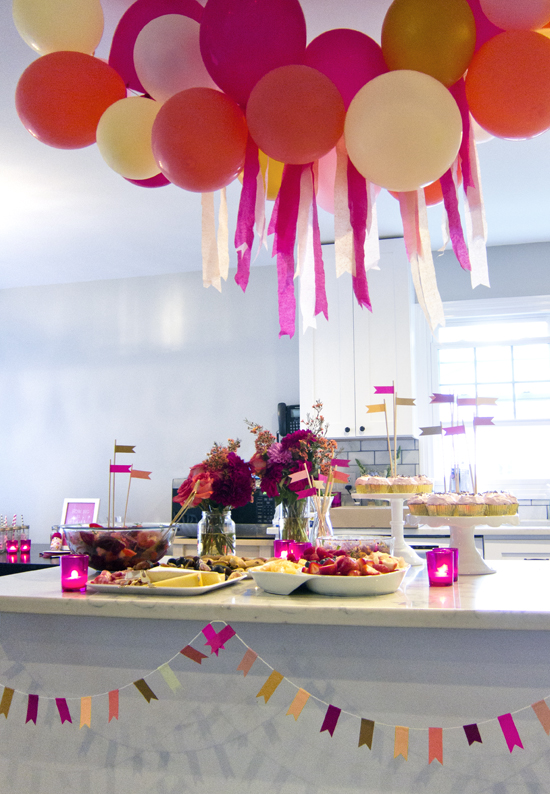
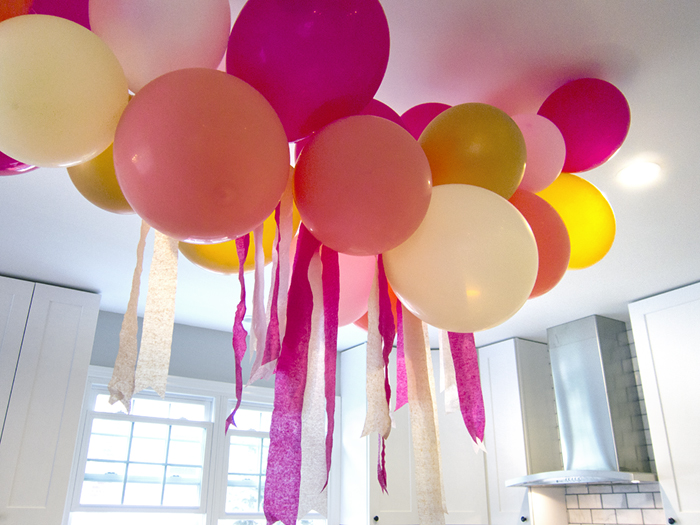
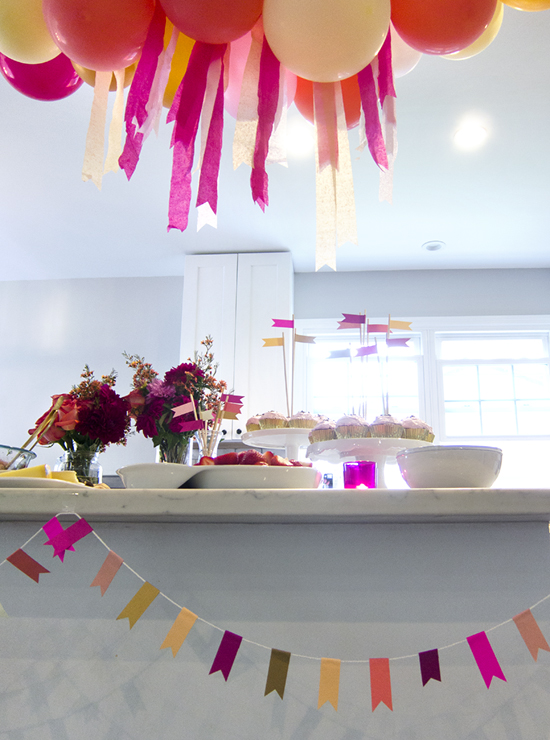
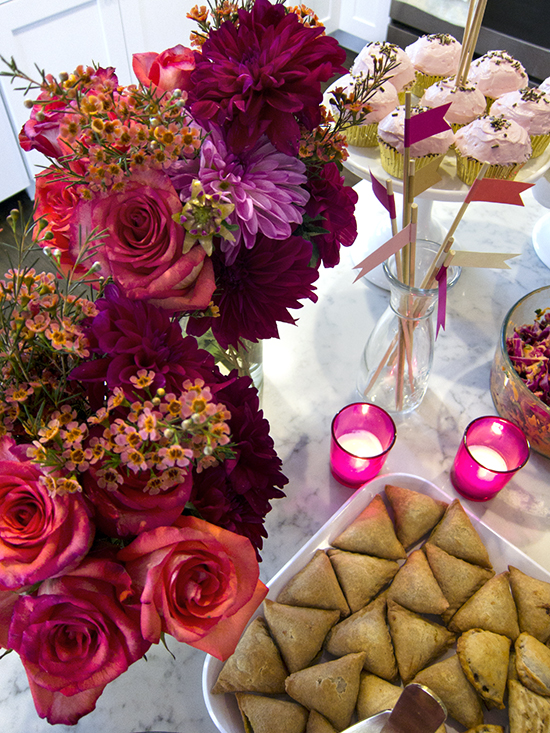
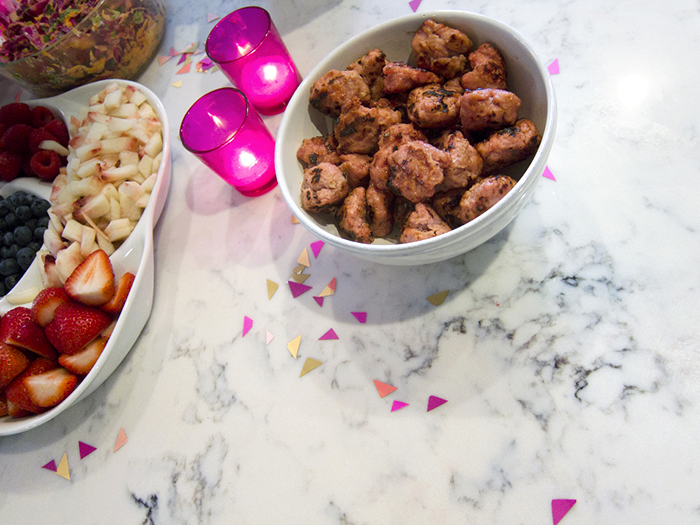
This time we decided to go for a confetti theme.  It was such a fun theme because you can involve so many colors and just polka dot everything!  I even tried to create a confetti effect with the flower arrangements by using flowers of several bright colors.  The little yellow mums even had the circular shape of confetti!

Anyway, I think the photos speak for themselves, so enjoy!!

Its her 1.1st birthday since we celebrated about a month late!

We made these marshmallows from scratch. The white ones are almond flavored, and the pink ones are orange blossom flavored!

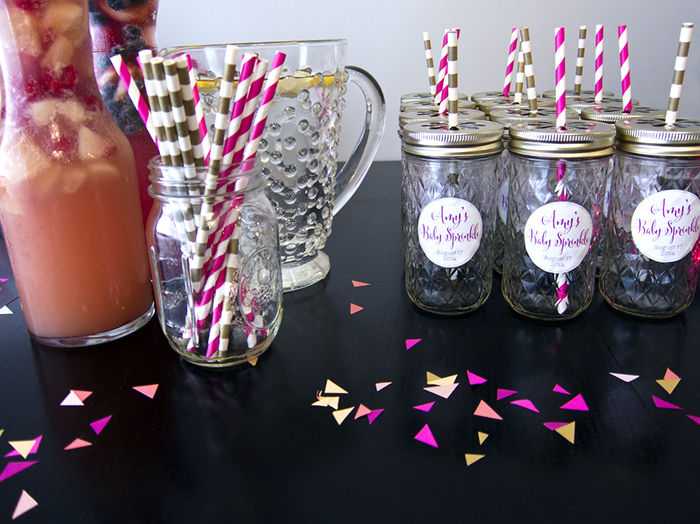
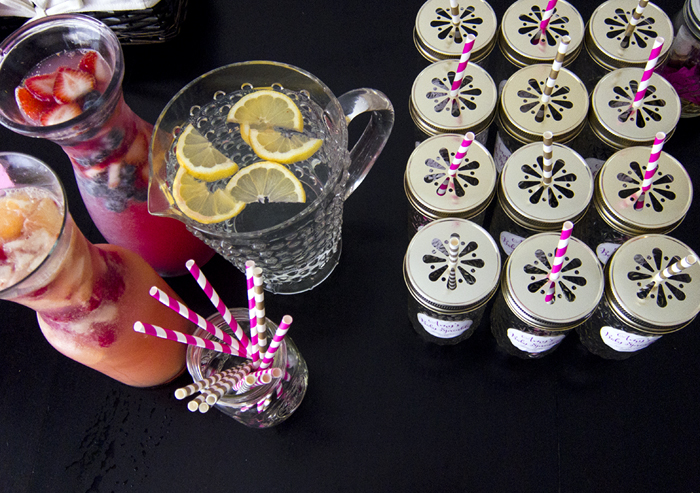
Signature mocktail! You'll have to ask Judy if you want to know what's in it, but cut up fruit echo the confetti theme =)

Happy mommy and baby!


Decorating Our Foyer

foyer/entry before and after

Lately Joe and I have been on a little bit of a decorating kick.  While I’m the one who generally initiates most of the projects around the apartment, this time it was Joe who pushed to make the front door hallway more functional.  I think it’s part of the OCD neat freak side of his personality, rather than any sort of desire for beauty.  First we got this west elm rug in an effort to track in less dirt in from our shoes.  Then we got the salvaged wood bench (from etsy) for two practical reasons – for the putting on and off of shoes, and to visually make the whole shoe area look a little neater and fenced in.
These two additions worked out great for a little while. But we constantly found ourselves putting our bags, and mail, and other junk on the bench, rendering it unusable for sitting upon.  This drove Joe crazy and he started pushing me to install a shelf and hooks.  At first I wanted to keep things simple and just get a floating shelf, but Joe did not trust that it would hold much weight without brackets.  So then I dragged my feet for a long time while I looked for brackets I liked.  I’m so picky, I just couldn’t find anything that fit the image I had in my head.  Finally Joe found out about custommade.com.  We had SUCH a positive experience with this site.  Basically, you put up your project idea and set your price, then different artisans that are connected with the site can submit proposals to you.  You pick the one you like most, and in a few short weeks, you have exactly what you want!  We went with a metal worker in Maryland called Moonlight Forge.  I have nothing but good things to say about the experience. The brackets we ended up with may not seem like anything special to you, but they are EXACTLY what I wanted and that’s what matters.
Anyway, we went to Home Depot to buy a piece of wood to go with the brackets, and I stained and finished it myself.  I bought pine because I was feeling cheap, but I don’t recommend this to anyone else.  I’m happy with how it turned out, but Pine takes stain really strangely.  It tends to go on too darkly, unevenly, and unpredictably.  For example, I used the same stain on the shelf as for the bench (which we bought unfinished) and on our hardwood floors. All three types of wood turned out completely different from each other.  But while the floor and bench (which are both hardwood) remained more dark brownish, the pine shelf stained an uneven black black black-ish…greenish?? No biggie though, luckily I like how it looks. But if you want to do something like this for yourself, avoid pine and get some sort of hardwood.

Here are some pics from my process. A while back I posted about finishing an Ikea table using Minwax Polyshades stain and polyurethane in one.  I still like this product for quick, cheap projects; but since then, I’ve preferred using stain and sealer separately.  I find that it gives you a little more control.  Just my personal preference.

1. raw wood, 2. stain applied, 3. sealer half applied

Once my shelf and brackets were all ready, we spent quite a bit of time one Saturday installing everything.  Since we wanted this shelf to be able to handle substantial weight, we needed to make sure the brackets were firmly sintalled into the studs in the wall. So we found two studs using a handy dandy stud finder, marked their locations, and measured the distance between them.

Then I positioned the brackets onto the shelf, centering them according to the distance between the studs.  I also used a flat piece of wood as a guide in positioning them so that they would sit against the wall properly.

As much as I don’t recommend pine, the great thing about it is that it is SO soft, that you don’t even need to pre-drill any holes.  You can just screw right in with your wood screws.

Now for the next step, it helps to have two people.  Joe held the bracket/shelf combo up to the wall, while I lined everything up properly and used a level to make sure it was level.  Then I used a pencil to mark the screw holes on the wall.

Finally we drilled holes, inserted plastic drywall anchors, and screwed in the screws. Similar steps were applied to the hooks, minus the stud finding.  One thing we had to be careful about was not drilling into any of the wiring in the fuse box which is on the same wall.  It took a bit of strategic positioning to make sure everything was centered, lined up with the studs, but also NOT lined up with the fuse box.

Oh yeah, in case you are wondering where we got the cast iron hooks, I actually bought them from Anthopologie about four years ago and never used them.  They are no longer available, but you can find the same ones in brass here, or similar ones in cast iron here!

So here are more pics of the finished update.  Nothing dramatic, but I love how it turned out.  Unfortunately, I kind of hate our call box and the fact that it was installed crookedly.  I also don’t like that the fuse box doors are so ugly, but what can you do.  Maybe someday I can find a way to creatively cover them up in a way that is still functional?